
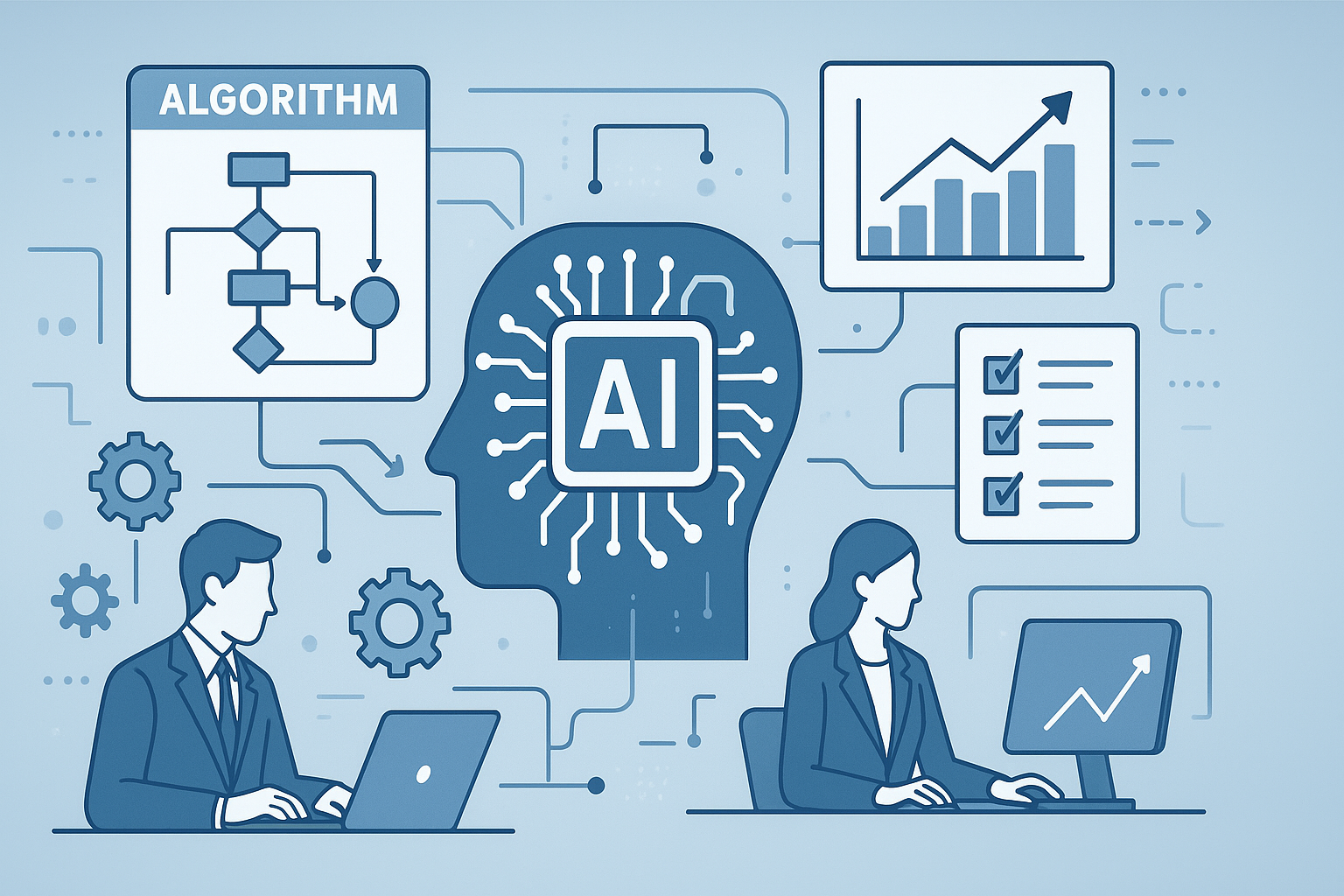
Businesses that sidestep integrating AI into their workflows are increasingly at risk of operational inefficiencies and financial setbacks. As the adoption of AI technology has surged over the past five years, many companies find themselves at a crossroads: either adapt and thrive or fall behind.
### Trends in AI Adoption Over the Last Five Years
AI integration in business operations has seen a remarkable increase, with adoption rates leaping from 20% in 2017 to 50% in 2022, according to McKinsey’s Global Survey on AI. This surge underscores the growing recognition of AI’s potential to improve efficiency and meet rising consumer expectations in a challenging economic climate.
### Impact of AI on Operational Efficiencies and Financial Performance
AI solutions have been pivotal in optimizing various business processes. Automating back-office tasks such as data entry and fraud detection allows organizations to drastically reduce human error and improve operational speed. Financial institutions are particularly benefiting from machine learning algorithms that enhance fraud detection, leading to faster response times and more efficient resource allocation.
### Case Examples of AI Applications
Businesses across industries are leveraging AI-driven chatbots to manage routine customer service inquiries, freeing up human agents for more complex interactions. This shift not only boosts customer satisfaction but also optimizes resource use, enabling companies to focus on growth-driving initiatives.
### Importance of Integrated Platforms for AI Success Across Departments
While many organizations report having AI workflows in production, only a few achieve comprehensive deployment across all departments. Companies employing enterprise-wide integration platforms report substantial improvements in workflow independence and confidence in their AI applications. These platforms are crucial for breaking down silos and ensuring a seamless experience across various business units.
### Challenges and Solutions for Full Adoption
Despite significant progress, many companies struggle with full AI adoption due to integration challenges. Establishing dedicated AI teams and investing in integration platforms can mitigate these issues, allowing for uniform AI application across departments. Integration platforms play a vital role in ensuring data and AI workflows are accessible and operationally viable throughout the organization.
### Conclusion and Call to Action
In conclusion, while AI adoption presents challenges, the potential operational advantages are substantial. By prioritizing AI integration and leveraging comprehensive platforms, businesses can significantly enhance efficiency and maintain competitive edges in their respective fields.
Summary:
AI integration in business operations has doubled, driving efficiencies in areas like fraud detection and customer service. While many companies have successfully established AI in some departments, broad-scale implementation remains rare. Integration platforms are key to closing this gap, promoting workflow cohesiveness and empowering businesses to harness AI’s full potential.