
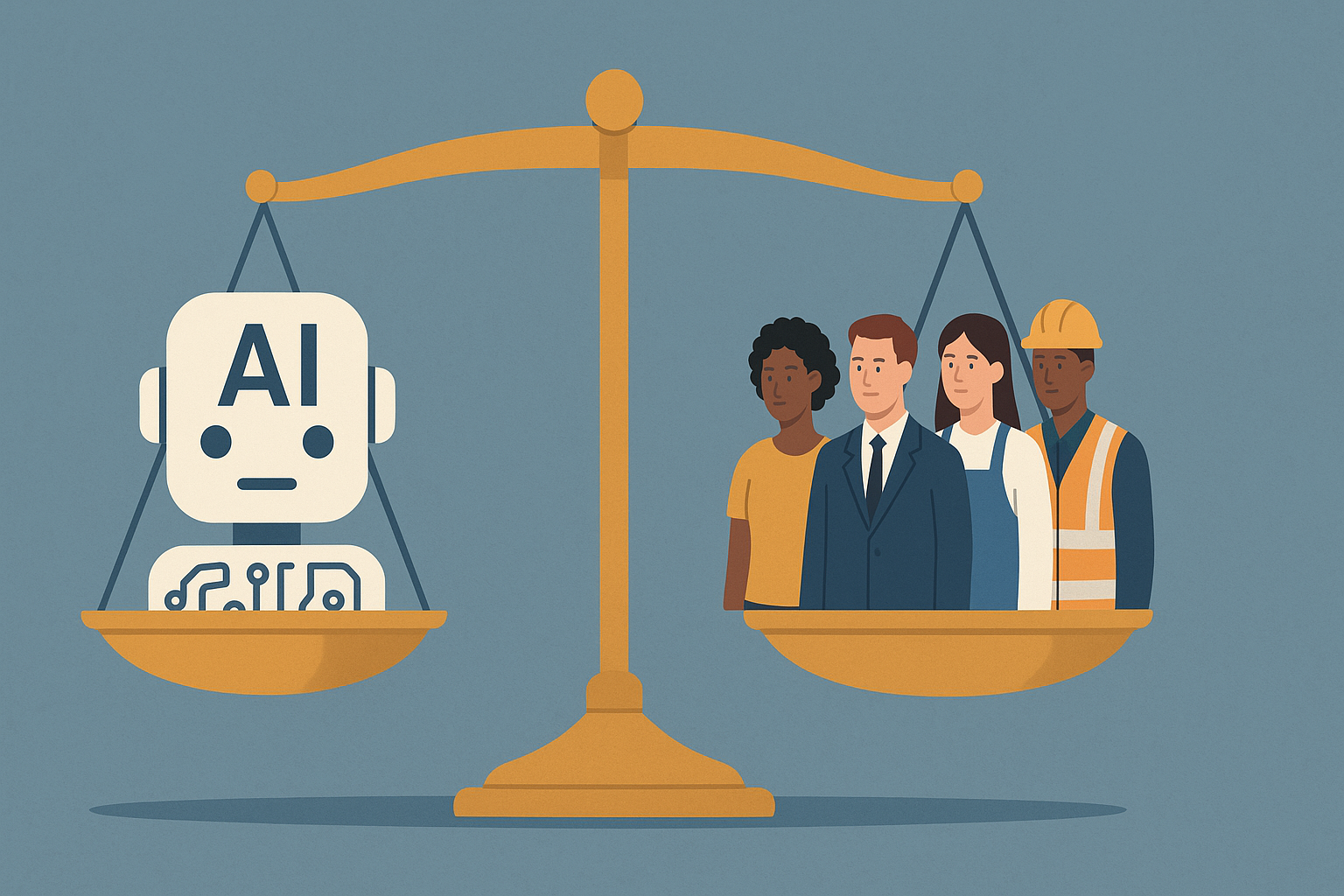
Integrating artificial intelligence (AI) and automation into business operations promises significant cost efficiencies. However, without strategic planning, it could lead to unintended job losses. Striking a balance in AI investments is crucial for optimizing operations and maintaining workforce stability.
### Importance of Tracking ROI in AI and Automation Investments
Investment in AI and automation technology is significant, typically involving costs like software procurement and hiring specialized talent. Yet, many companies fail to track their return on investment (ROI), potentially missing out on verifying their value. According to [TechCrunch](https://techcrunch.com/sponsor/salesforce/what-you-need-to-know-to-implement-a-foolproof-ai-and-automation-strategy), measuring ROI is essential for identifying value from pilot projects, which could otherwise lead to further operational efficiencies.
### Case Studies: Successful Implementations
**1. Robotic Process Automation (RPA):** The implementation of RPA can reduce operating costs by 20% to 40%, particularly in areas like back and middle office operations. This significant cost-saving potential underscores the need for a strategic approach to automation.
**2. Integration Platform as a Service (iPaaS):** A UK-based retailer successfully reduced its total cost of ownership by 40% using an iPaaS solution. This approach allowed the company to integrate its various technological systems more effectively, demonstrating the tangible benefits of choosing the right integration tools.
### Risks: Potential Job Losses
While AI offers efficiency gains, its implementation can also lead to job reduction. Forrester Research highlights potential job losses, projecting 25 million jobs could be lost to automation over the next decade, with only 15 million new jobs created. These figures stress the importance of considering workforce impacts in AI strategy.
### A Balanced Approach to AI Integration
To optimize AI benefits while safeguarding jobs, businesses should adopt a balanced approach. This involves strategic implementation that considers both technological integration and human elements. Combining the strengths of AI with human expertise can create a more resilient and adaptive business environment.
### Conclusion: Best Practices for Strategic AI Implementation
For successful AI integration, businesses need to measure ROI accurately, learn from case studies, and prepare for workforce transitions. By maintaining focus on both technological and human aspects, businesses can enhance efficiency while ensuring sustainable job creation.
Summary:
Integrating AI requires balancing technological advances with workforce considerations. Measuring ROI and adopting strategic approaches such as iPaaS and RPA can significantly reduce costs while a focus on human elements mitigates job losses. Business leaders should prioritize structured AI strategies for sustainable success.